📰 The Circular Chronicle · Issue 01

Waste.
Reimagined.

An editorial journey through ReSutra's 5-step process — from discarded cloth to certified industrial fiber. Click each chapter to explore.

5
Recycling Steps
0
Chemicals Used
90%
Less Water Than Conventional Production
100%
Mechanical Recycling
01
Textile Waste Collection

Discarded.
Not Defeated.

"A factory floor in Jaipur. A cotton offcut falls — too small to use, too valuable to bury. ReSutra's collection arrives before the landfill does."

ReSutra sources both pre-consumer waste (factory offcuts, cutting scraps, rejected rolls from garment manufacturers) and post-consumer waste (used garments, end-of-life textiles) — building a steady, traceable supply chain from India's textile belt.

Min. 500 kg / pickup Cotton · Polyester · Blends India Network Fully Traceable
🏭 Pre-Consumer Waste Sources
Factory offcuts, cutting scraps, surplus rolls, and rejected fabric from garment manufacturers and textile mills — never used by consumers. High-volume, predictable waste streams ideal for regular collection partnerships.
👕 Post-Consumer Waste Sources
Used garments, end-of-life textiles, and donations from export houses, retail brands, and institutional partners. Adds volume diversity and supports brand sustainability commitments.
📋 Documentation & Traceability
Every collection is logged — source, weight, fiber composition, date, and location. Partners receive waste diversion certificates usable in ESG reporting and sustainability disclosures.
7.5M
Tonnes India Wastes / Year
500kg
Min. Collection Volume
2
Waste Stream Types
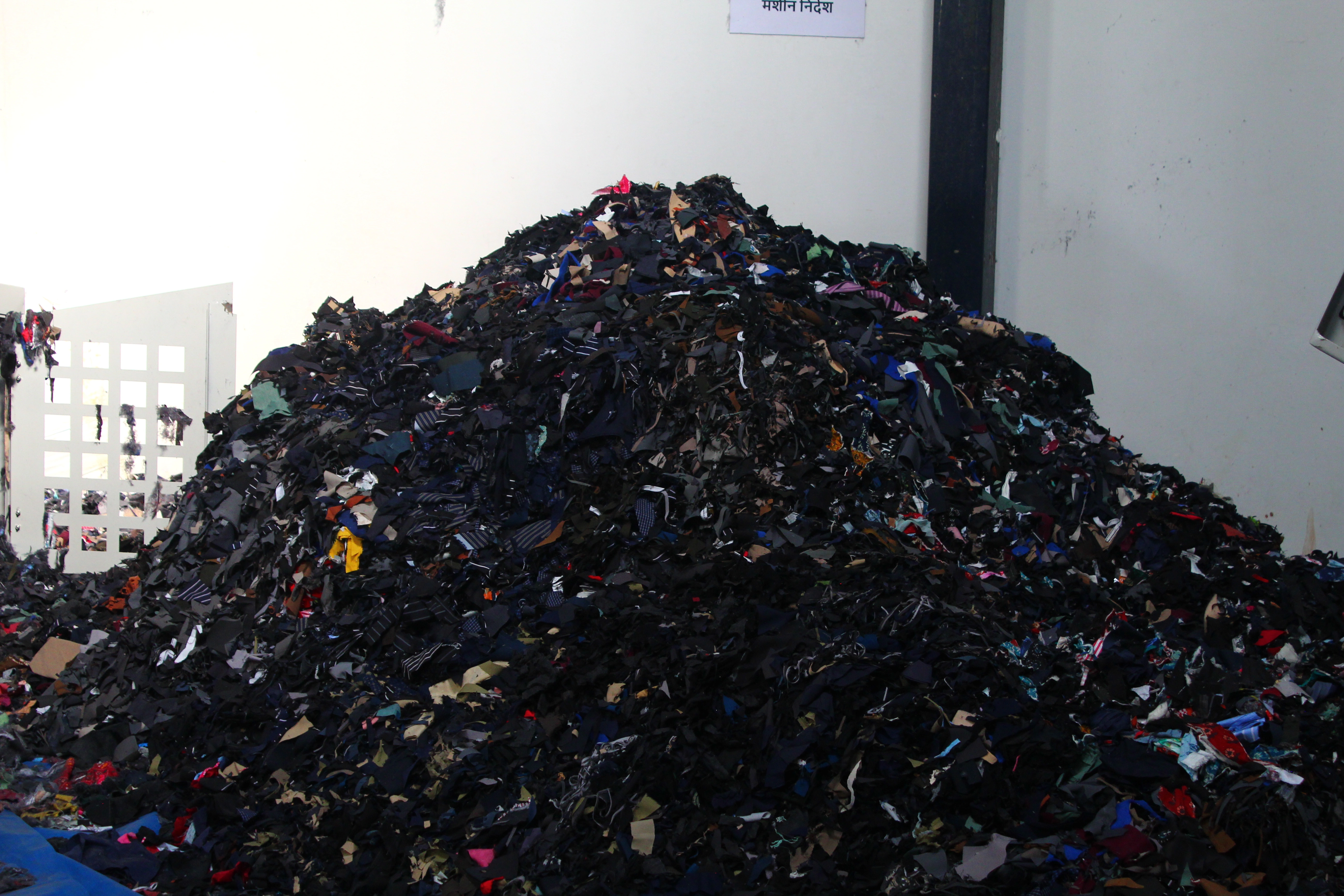
Textile collection
📥
Collection
Step 1 of 5
🌱 Every kg diverted = landfill avoided
Collection Sources
🏭
Factories
👕
Consumers
🚛
Collection
🏗️
ReSutra
Sorting process
🔍
Sorting
Step 2 of 5
🎨 Color · Composition · Quality
Fiber Stream Primary Use
CottonYarn manufacturing, nonwoven
PolyesterIndustrial fiber, blends
Cotton/Poly BlendStandard grade fiber
Specialty FiberCustom grade batches
02
Sorting & Segregation

Identified.
Classified. Categorised.

"Not all fabric is the same. Cotton wants softness. Polyester wants strength. Blends want balance. The sorting stage gives each fiber its identity — and its future."

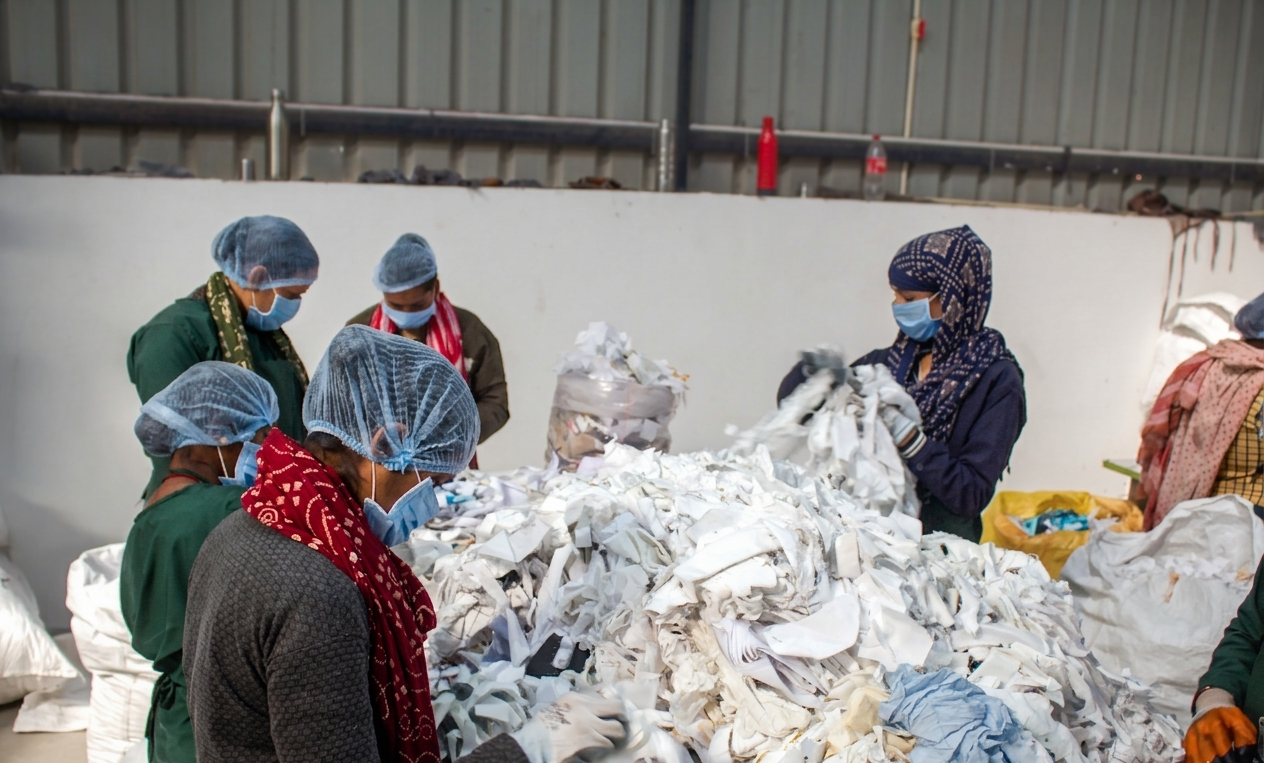
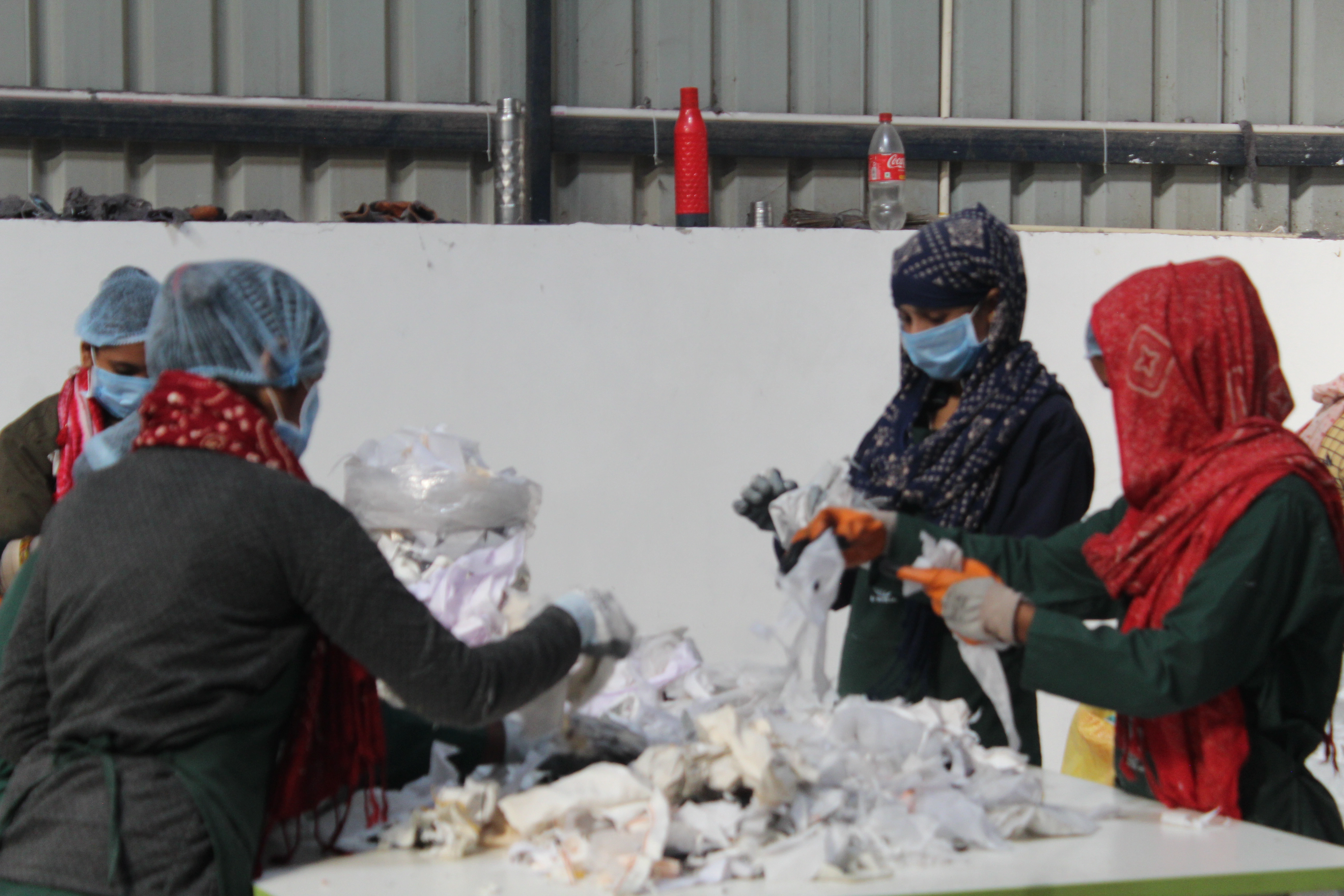
Collected textiles are classified by fabric type, fiber composition, color grade, and reusability potential. Advanced sorting protocols maximize fiber recovery while minimizing contamination — splitting materials into cotton, polyester, blended, and specialty fiber streams.

Fiber Identification Color Grading Contamination Check 4 Fiber Streams
🧶 Cotton Sorting Protocol
Pure cotton and cotton-dominant blends are separated for maximum fiber recovery efficiency. Cotton streams are further sorted by color to preserve natural hue characteristics for the end product.
Polyester Identification
Synthetic fibers require different processing parameters. Proper identification at the sorting stage ensures polyester is processed separately, preserving its structural properties and preventing cross-contamination.
🚫 Contamination Removal
Non-textile materials (zippers, buttons, labels, metal accessories) are removed at this stage. Clean segregation ensures only pure textile fiber proceeds to the processing line.
03
Fiber Recovery Technology

Unravelled.
Mechanically. Purely.

"The machine doesn't use chemicals. It uses force — precise, controlled, mechanical force. Tearing the weave apart thread by thread until raw fiber re-emerges."

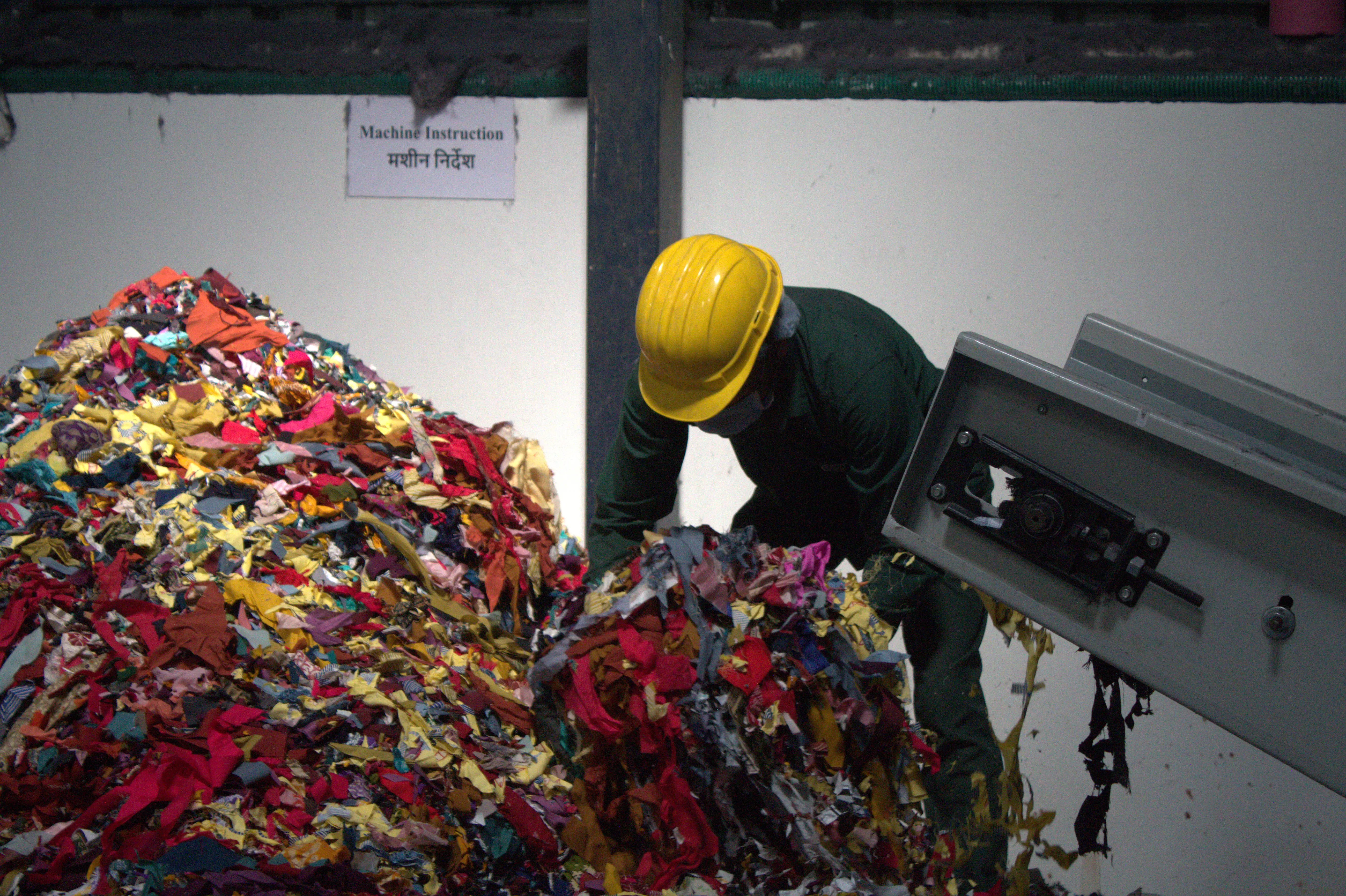
Sorted textiles enter the mechanical recycling line. No bleaching agents, no chemical solvents — purely mechanical processes (shredding, tearing, carding) break down fabric structure into raw recyclable fiber. This preserves fiber strength and ensures zero toxic byproducts.

⚙️ Mechanical Only 🚫 Zero Chemicals 💧 90% Less Water ✅ No Effluent
✂️ Stage 1 — Shredding
Fabric is mechanically cut and shredded into smaller fiber clusters, breaking down the woven or knitted structure. This is the first step in liberating individual fibers from the fabric matrix.
🌀 Stage 2 — Carding & Opening
High-speed carding machines comb through shredded material, separating entangled fibers and aligning them directionally. The output is loose, processable fiber ready for quality assessment.
🌱 Why Mechanical Recycling?
Chemical recycling breaks molecular bonds — degrading fiber strength and requiring extensive wastewater treatment. Mechanical recycling preserves fiber integrity, uses minimal water, and generates zero liquid effluent. It's cleaner, stronger, and genuinely sustainable.
90%
Less Water
0
Chemicals Used
0L
Liquid Effluent
Mechanical recycling
⚙️
Recovery
Step 3 of 5
🔬 100% Mechanical · Zero Chemicals
Mechanical Process Flow
👕
Fabric In
✂️
Shred
🌀
Card
🧶
Fiber Out
Quality control
🔬
Quality
Step 4 of 5
📋 Batch-level documentation
Fiber Length Consistency Standard: 20–40mm · Industrial: 15–50mm
Strength & Tenacity Meets industrial yarn production specs
Purity Check Zero non-fiber contamination
Batch Traceability Source → processing → output documented
Custom Spec Matching Client-specific requirements verified pre-dispatch

Click each item to mark as checked ↑

04
Processing & Quality Control

Tested.
Graded. Certified.

"Raw fiber isn't enough. Every batch faces scrutiny: length, strength, purity, consistency. Only what passes becomes ReSutra grade. Quality is the standard, not the goal."

Recovered fibers are refined and graded to industrial specifications. Each batch undergoes rigorous quality checks — fiber length consistency, tenacity testing, contamination inspection, and custom specification matching for client requirements.

20–40mm Standard Per-batch Testing Full Traceability Custom Grading
📏 What is Fiber Length Testing?
Fiber staple length determines compatibility with yarn manufacturing equipment. Shorter fibers produce weaker yarn; longer fibers enable higher-quality output. ReSutra's standard grade targets 20–40mm — compatible with most open-end and ring-spinning systems.
📄 ESG Supply Chain Documentation
Every batch includes full documentation of waste source, processing method, fiber grade, and quality certifications. This enables our partners to use fiber purchase data directly in their ESG reports, scope 3 emissions tracking, and sustainability disclosures.
05
Supply to Yarn Manufacturers

Delivered.
Ready to Become Yarn.

"The fiber that was waste yesterday sits in a manufacturer's warehouse today — certified, graded, tagged. Its landfill fate replaced by a second life in circular industry."

Processed, quality-certified fiber is supplied directly to yarn manufacturers as sustainable raw material alternatives. ReSutra offers spot purchases, long-term supply contracts, and custom processing for specific technical requirements — with consistent delivery schedules and full batch documentation.

500kg MOQ Standard 200kg MOQ Custom Spot & Contract Supply ESG Certified
Product Grade Fiber Length MOQ Supply Mode
Standard Fiber 20–40mm 500 kg Spot / Contract
Custom Grade Customizable 200 kg Contract
Industrial Grade 15–50mm 1,000 kg Long-term Contract
Supply to manufacturers
🚚
Supply
Step 5 of 5
🧵 Circular Manufacturing Input
Complete Journey
🗑️
Waste
📥
Collect
⚙️
Process
🧶
Fiber
🧵
Yarn

The Circular Chronicle · End of Issue 01

The Loop
Is Now Closed.

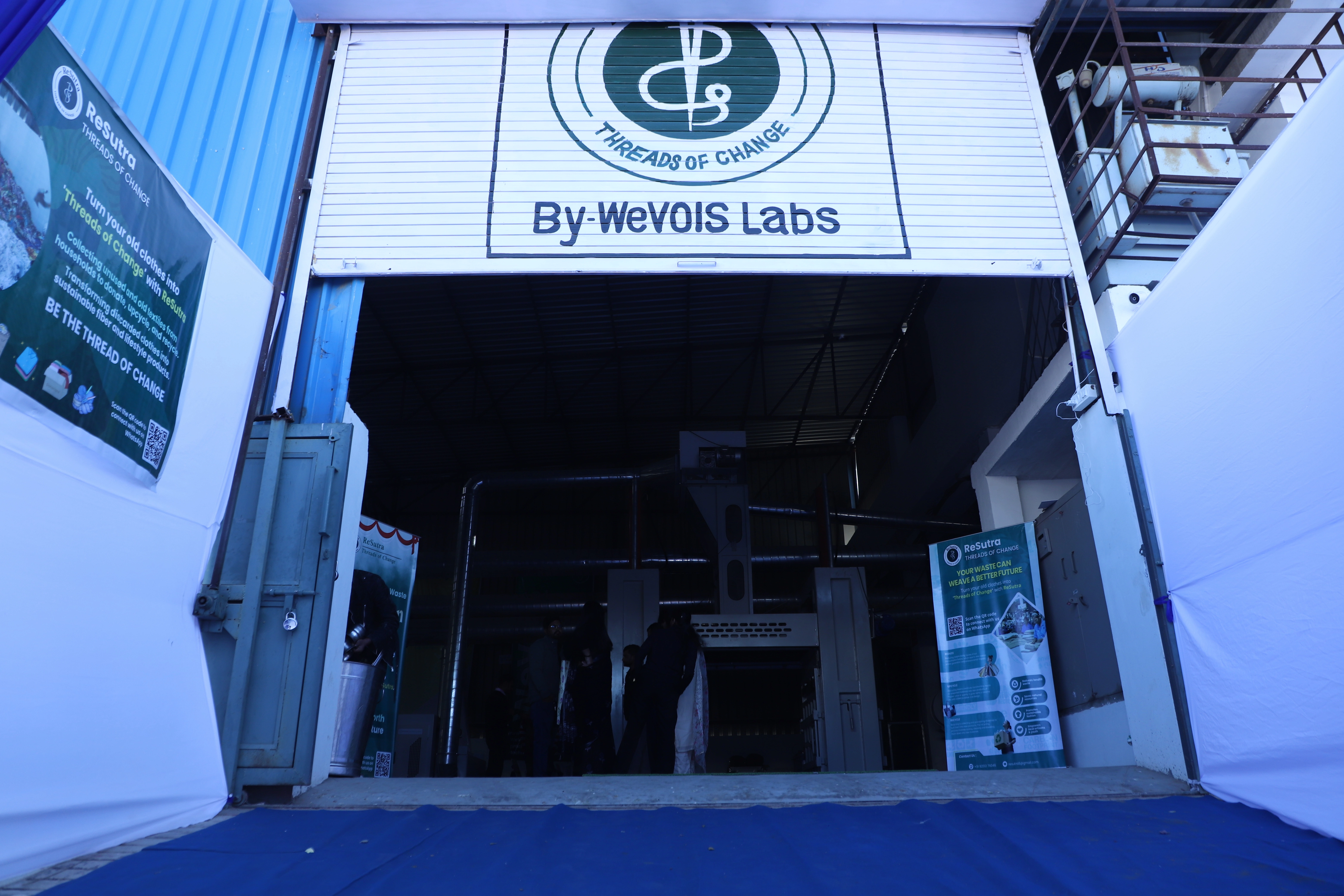
From a factory floor offcut to a manufacturer's raw material — every thread that passes through ReSutra's five-step process proves that the circular economy isn't a concept. It's a working operation in Jaipur, India.

© 2026 ReSutra · Threads of Change ← Back to Home